
PAYROLL
Leave Travel Allowance (LTA) in India: Rules, Tax Benefits, and Claims
LTA is not exempt under the new tax regime, only the old one. The Section 10(5) rules, the four-year block, what counts as travel, and how to claim it.
Reviewed by Amar Parab on May 9, 2026
Dearness Allowance is a cost-of-living adjustment paid to employees to offset the impact of inflation, linked to the Consumer Price Index (CPI).
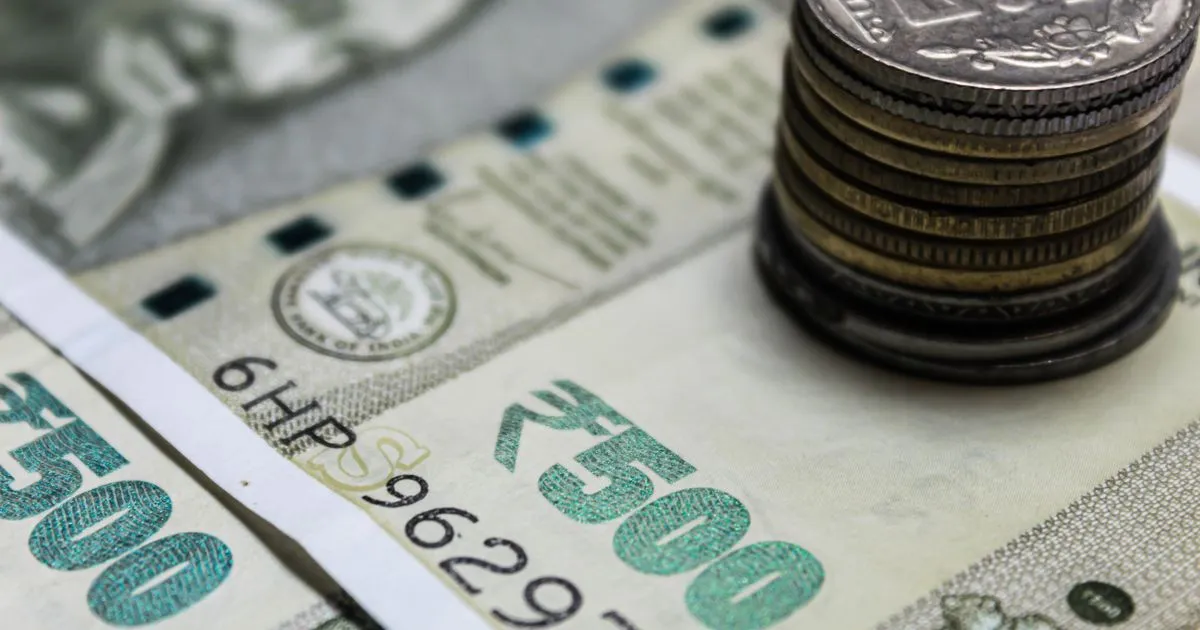
Dearness Allowance (DA) is a component of salary designed to mitigate the effect of inflation on employees’ purchasing power. It is calculated as a percentage of basic salary and revised periodically (typically twice a year, in January and July) based on changes in the Consumer Price Index (CPI). Pensioners receive an equivalent adjustment called Dearness Relief.
DA is mandatory for central and state government employees. In the private sector, DA is common in manufacturing, heavy industry, and companies following government pay scales, though many modern IT/services companies fold the inflation adjustment into a higher basic salary or special allowance instead.
For central government employees (7th Pay Commission), DA is revised based on the All India Consumer Price Index for Industrial Workers (CPI-IW):
DA% = [(Average CPI for past 12 months − 115.76) / 115.76] × 100
Where 115.76 is the base CPI index value for the 7th Pay Commission (base year 2016 = 100).
As of January 2025, DA for central government employees stands at 53% of basic pay.
| Effective Date | DA Rate | Increase |
|---|---|---|
| January 2024 | 50% | +4% |
| July 2024 | 53% | +3% |
| January 2025 | 53% | Under review |
DA directly affects several statutory computations because PF and gratuity are calculated on basic + DA:
| Calculation | Formula Impact |
|---|---|
| PF contribution | 12% of (Basic + DA), capped at ₹25,000 |
| Gratuity | (Basic + DA) × 15/26 × years of service |
| HRA exemption | Calculation uses Basic + DA as the base |
| Leave encashment | Based on (Basic + DA) at time of separation |
For a government employee with Basic Pay of ₹50,000/month at 53% DA:
| Component | Amount (₹) |
|---|---|
| Basic Pay | 50,000 |
| DA (53%) | 26,500 |
| Basic + DA | 76,500 |
| Employee PF (12% of ₹25,000 cap) | 3,000 |
| Gratuity provision (4.81% of Basic + DA) | 3,680 |
Private companies handle DA differently:
Omnivoo’s payroll system supports DA configuration for companies that require it:
Employ staff in India with no entity. PF, ESI, TDS, Professional Tax and Form 16 handled.
Basic salary is the core fixed component of an Indian salary structure, typically 40-50% of CTC, that determines PF contributions, gratuity, HRA exemption, and other statutory calculations.
Gratuity is a lump-sum payment an employer must pay to an employee who has completed five or more years of continuous service, calculated based on last drawn salary and tenure.
Gross salary is the total compensation an employee earns before any deductions for taxes, provident fund, or other statutory contributions.
Dearness Relief is a cost-of-living adjustment paid to pensioners and retired employees, mirroring the Dearness Allowance paid to serving employees and revised in line with the Consumer Price Index.
The legally mandated lowest compensation an employer must pay workers, set by central and state governments in India based on skill level, sector, and geography.
Special Allowance is the residual, fully-taxable salary component in Indian CTC structures used to balance the package after fixing Basic, HRA and other allowances.
Stop worrying about Indian payroll and compliance terms. Omnivoo manages everything (PF, ESI, TDS, professional tax, and more).
Get startedFull details in our Terms of Service →