
COMPLIANCE
E-Sign Legality for International Contracts: US ESIGN Act and UETA
Are e-signatures enforceable across borders? ESIGN, UETA, India's IT Act, and eIDAS compared, plus the four requirements your workflow must meet.
Reviewed by Rohan Sasne on May 24, 2026
The Shops and Establishments Act is a state-level labor law governing working conditions, hours, leave, and wages for all commercial establishments in India.
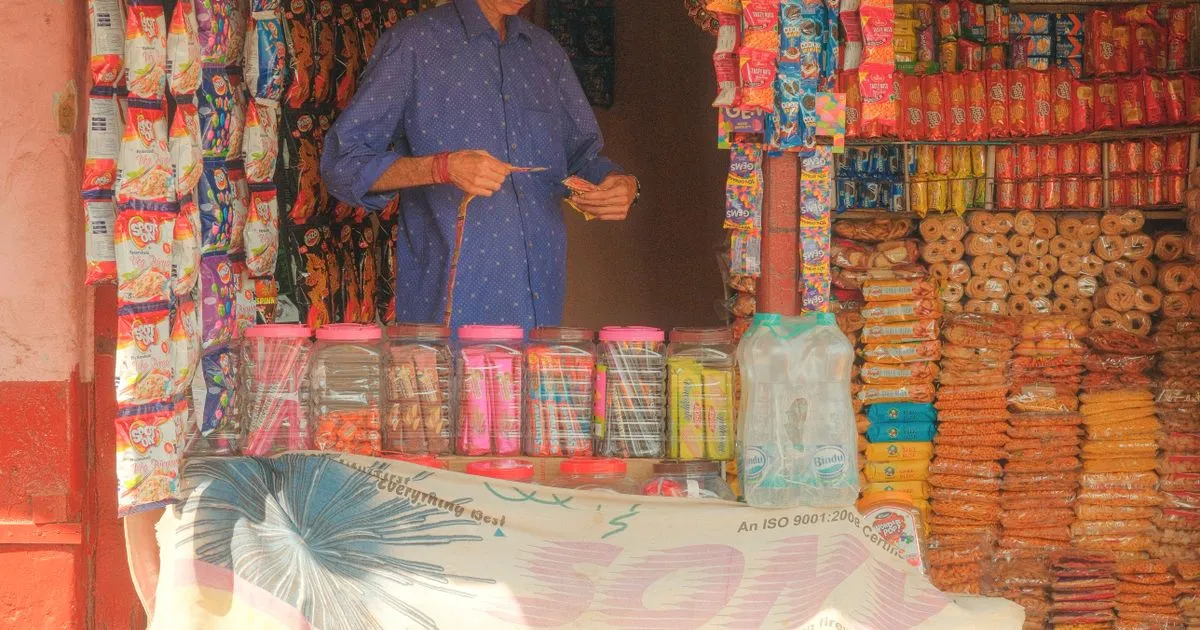
The Shops and Establishments Act is a state-level labor legislation that regulates the conditions of work in commercial establishments across India. Every state and union territory has its own version of this Act, and registration under it is mandatory for virtually every business, including offices, shops, restaurants, theatres, and other commercial premises. The Act governs working hours, overtime, rest intervals, weekly holidays, annual leave, wage payment schedules, employment of women and young persons, and termination conditions. Registration must be completed within 30 days of commencing business, and failure to register is a punishable offense. The India payroll compliance checklist covers Shops & Establishments alongside other state-level filings.
Unlike central labor laws such as the EPF Act or ESI Act, which are uniform across India, the Shops and Establishments Act is entirely state-administered. Each state legislature enacts its own version with different provisions, limits, and procedures. This means a company operating in multiple states must comply with multiple versions of the Act.
Who Must Register:
Every “establishment” must register, which broadly includes:
The definition is intentionally broad. Even a home office operated as a registered business may need to register under some state Acts.
Registration Process:
Key Provisions Typically Covered:
| Area | Common Provisions |
|---|---|
| Working Hours | 8-9 hours per day, 48 hours per week maximum |
| Overtime | Must be compensated at double the ordinary wage rate |
| Spread Over | Total hours including breaks cannot exceed 10.5-12 hours |
| Weekly Holiday | At least one paid day off per week (usually Sunday) |
| Annual Leave | 12-21 days per year depending on state |
| Sick Leave | 7-12 days per year depending on state |
| Casual Leave | 7-12 days per year depending on state |
| Opening/Closing Hours | State-prescribed hours (some states require shops to close by 9-10 PM) |
| Employment of Women | Night shift restrictions vary, many states have relaxed these recently |
| Wage Payment | Must be paid before the 7th (for establishments with <1,000 employees) or 10th of following month, see Payment of Wages Act |
| Termination Notice | 30 days’ notice or pay in lieu for employees with 3+ months of service |
Notable state differences:
| State | Registration | Earned Leave | Key Feature |
|---|---|---|---|
| Maharashtra | Perpetual | 21 days/year | Women night shifts allowed with conditions |
| Karnataka | Annual renewal | 18 days/year | IT/ITES hour exemptions |
| Delhi | Valid 3 years | 15 days/year | 24/7 operations in some sectors |
| Tamil Nadu | Annual renewal | 12 days/year | Special IT provisions |
For foreign companies hiring in India, this Act creates obligations that are easy to overlook but carry real consequences:
Penalties range from ₹1,000 to ₹50,000, with repeat offenses carrying imprisonment up to 3-6 months.
Omnivoo handles Shops and Establishments Act registration in the states where your employees are based. The platform ensures leave policies meet or exceed state minimums, working hour tracking complies with spread-over limits, and termination processes follow the notice period and procedural requirements of the applicable state Act. When you hire an employee in a new state, Omnivoo handles the registration process, you do not need to interact with any state labor department.
Employ staff in India with no entity. PF, ESI, TDS, Professional Tax and Form 16 handled.
An EOR is a third-party organization that legally employs workers on behalf of another company, handling payroll, taxes, benefits, and compliance in the worker's country.
Professional tax is a state-level employment tax in India deducted from employee salaries, with rates varying by state up to a constitutional maximum of ₹2,500 per year.
An industrial dispute is a disagreement between employers and workers (or between workers themselves) over employment, terms of employment, or working conditions, as defined under Section 2(k) of the Industrial Disputes Act 1947 and now subsumed by the Industrial Relations Code 2020.
The OSH Code, 2020 consolidates 13 central labour laws on workplace safety, working hours, and conditions, applicable to factories, mines, plantations, contract labour, and most workplaces with 10+ workers.
A fixed place of business in India that triggers Indian corporate tax liability for the foreign parent entity under tax treaty provisions and the Income Tax Act.
The POSH Act, 2013 mandates every Indian workplace with 10+ employees to prevent and redress sexual harassment of women through an Internal Complaints Committee, written policy, training, and annual reporting.
Stop worrying about Indian payroll and compliance terms. Omnivoo manages everything (PF, ESI, TDS, professional tax, and more).
Get startedFull details in our Terms of Service →