
COMPLIANCE
Payment of Bonus Act 1965: Calculation, Eligibility, and Compliance Guide
Who qualifies for statutory bonus under the Payment of Bonus Act 1965, how to calculate the 8.33% minimum and 20% cap, plus forms and penalties.
Reviewed by Amar Parab on Apr 29, 2026
A statutory annual bonus mandated under the Payment of Bonus Act 1965, requiring employers to pay between 8.33% and 20% of qualifying wages to eligible employees.
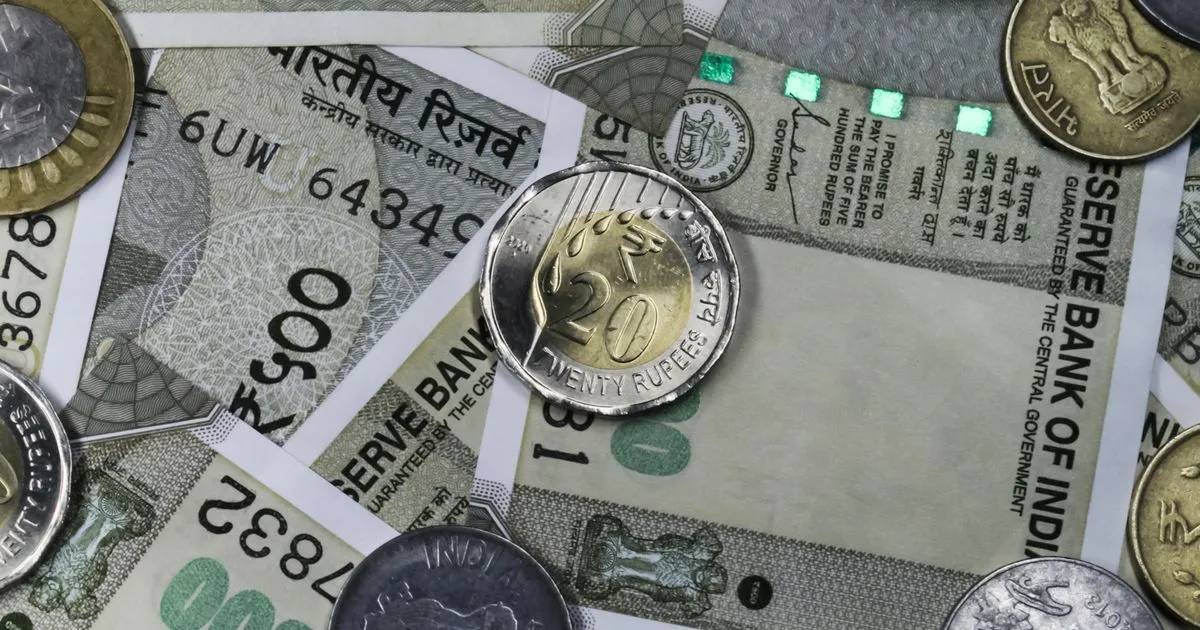
The Payment of Bonus Act, 1965 mandates that employers in India pay an annual bonus to eligible employees. This is a profit-sharing mechanism, not discretionary, and applies to every establishment with 20 or more employees. The bonus is calculated as a percentage of the employee’s qualifying wages and must be paid within 8 months of the close of the accounting year. See the Statutory bonus India guide and the Payment of Bonus Act India deep dive for detailed worked examples.
| Criterion | Requirement |
|---|---|
| Establishment size | 20+ employees (or 10+ if notified by government) |
| Employee salary cap | Monthly wages ≤ ₹21,000 |
| Minimum service | 30 working days in the accounting year |
| Exclusions | Apprentices, dismissed for fraud/violent conduct |
The bonus is calculated on qualifying wages, which is the lower of:
| Parameter | Value |
|---|---|
| Minimum bonus | 8.33% of qualifying wages (even if no profits) |
| Maximum bonus | 20% of qualifying wages |
| Calculation ceiling | ₹7,000/month |
| Eligibility ceiling | ₹21,000/month |
Example Calculation:
An employee with basic + DA of ₹15,000/month:
| Step | Calculation | Amount |
|---|---|---|
| Qualifying wages (capped) | ₹7,000 × 12 months | ₹84,000 |
| Minimum bonus (8.33%) | ₹84,000 × 8.33% | ₹6,997 |
| Maximum bonus (20%) | ₹84,000 × 20% | ₹16,800 |
The actual bonus percentage between 8.33% and 20% depends on the employer’s allocable surplus (profits available for distribution) calculated using Set On and Set Off rules under the Act.
Omnivoo manages the full bonus compliance cycle for employees hired through the EOR:
Employ staff in India with no entity. PF, ESI, TDS, Professional Tax and Form 16 handled.
Basic salary is the core fixed component of an Indian salary structure, typically 40-50% of CTC, that determines PF contributions, gratuity, HRA exemption, and other statutory calculations.
Full and final settlement is the comprehensive financial settlement an employer must complete when an employee exits, covering all pending dues, benefits, and recoveries.
Gross salary is the total compensation an employee earns before any deductions for taxes, provident fund, or other statutory contributions.
Statutory Bonus = Qualifying Wages x Bonus Percentage (8.33% to 20%), with qualifying wages capped at ₹7,000/month and eligibility limited to employees earning up to ₹21,000/month.
The Code on Wages, 2019 consolidates four central labour laws, Payment of Wages, Minimum Wages, Payment of Bonus, and Equal Remuneration Acts, into a single code applicable to all employees regardless of wage threshold.
The Equal Remuneration Act, 1976 prohibits gender-based discrimination in wages and recruitment for the same or similar work. It is now subsumed into the Code on Wages, 2019, which preserves and extends its protections.
The Payment of Wages Act, 1936 governs the timing of wage payment, permissible deductions, and wage period limits for Indian workers. It is now subsumed into the Code on Wages, 2019.
Variable pay is the performance-linked component of an Indian employee's compensation, typically 10–30% of CTC, paid as quarterly, half-yearly, or annual bonus tied to individual, team, or company performance.
Stop worrying about Indian payroll and compliance terms. Omnivoo manages everything (PF, ESI, TDS, professional tax, and more).
Get startedFull details in our Terms of Service →