
COMPLIANCE
Moonlighting and Dual Employment in India: What Employers Can Actually Do
No central law bans moonlighting for private sector staff in India. What the Factories Act and state Shops Acts cover, and a policy shape that holds.
Reviewed by Rohan Sasne on Mar 30, 2026
Form 24Q is the quarterly TDS return that employers in India must file with the Income Tax Department reporting tax deducted from employee salaries under Section 192.
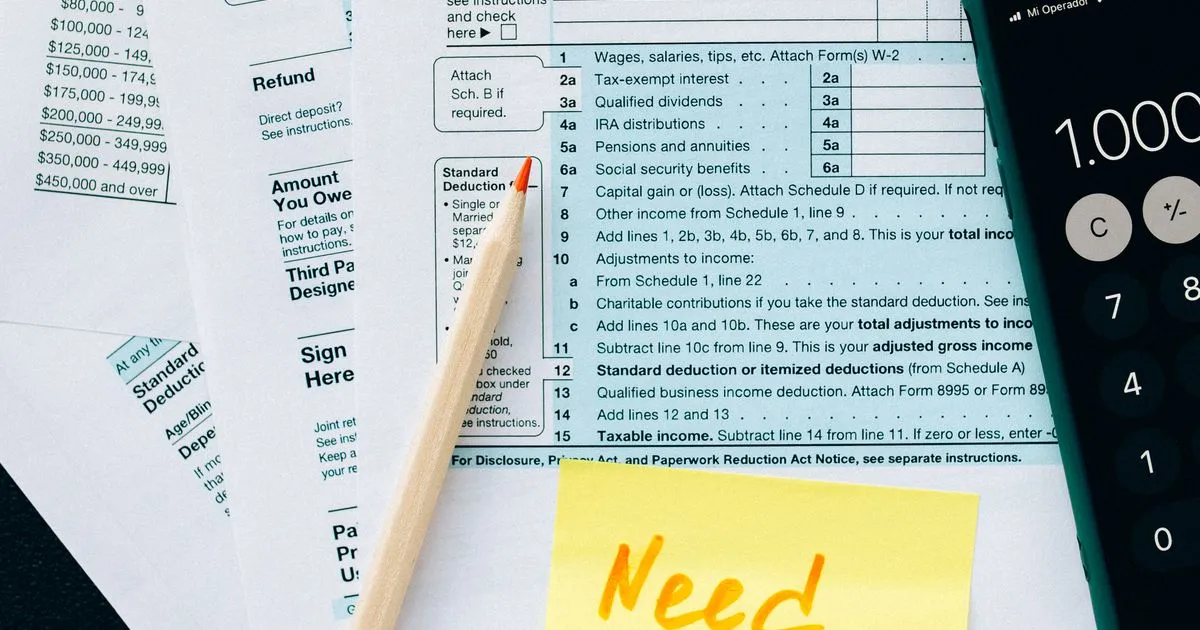
Form 24Q is the statutory quarterly return through which Indian employers report Tax Deducted at Source (TDS) on salary payments made to employees. Filed with the Income Tax Department under Section 192 of the Income Tax Act, 1961, Form 24Q captures challan-level deposit information, deductee-level salary breakups, and the full annual salary computation for each employee. It is the upstream data source for Form 16, the salary TDS certificate every employee receives, and a non-negotiable compliance obligation for any organisation running payroll in India.
Form 24Q is filed four times per financial year, once for each quarter, with strict due dates set by the Central Board of Direct Taxes (CBDT):
| Quarter | Period Covered | Due Date |
|---|---|---|
| Q1 | April, June | 31 July |
| Q2 | July, September | 31 October |
| Q3 | October, December | 31 January |
| Q4 | January, March | 31 May |
The Q4 return is the most important of the four because it contains Annexure II, the annual employee-wise salary detail. Annexure II is the only quarter where the employer reports each employee’s full-year gross salary, exemptions, deductions, chosen tax regime (old or new), and total tax liability. The first three quarters only require challan and deductee-level transaction reporting via Annexure I.
Returns are filed electronically on the TIN-NSDL portal (Protean eGov, formerly NSDL) using a Digital Signature Certificate (DSC) or via Electronic Verification Code (EVC). The file is generated through the Return Preparation Utility (RPU) provided free by Protean and validated using the File Validation Utility (FVU) before upload.
Form 24Q consists of two annexures, each serving a distinct purpose:
Annexure I, Required every quarter. Captures:
Annexure II, Required only in Q4. Captures the full annual reconciliation for each employee:
The accuracy of Annexure II directly determines the accuracy of every Form 16 generated for the year, there is no separate input.
The most common errors that lead to TRACES defaults are:
After filing, the deductor should download the Justification Report and Conso File from TRACES to identify and correct any defaults via a revised return.
Form 16 Part A, the section showing tax deducted and deposited, is generated automatically by the TRACES portal only after the corresponding Form 24Q is filed. Employers cannot self-generate or hand-write Part A. Part B (salary breakup) is prepared by the employer but must be consistent with Annexure II of the Q4 return.
This linkage means:
Omnivoo prepares and files Form 24Q returns for all four quarters on behalf of every employer using the platform. The payroll engine continuously builds the deductee and challan data through the year, validates PANs against the Income Tax Department’s database, and produces a pre-validated FVU file before each due date. Annexure II is reconciled against monthly TDS computations so that Q4 filing is a check, not a rebuild, and Form 16 Part A is downloaded from TRACES and stitched with Part B for issuance to employees by 15 June automatically.
Form 16 is an annual TDS certificate issued by an employer to each employee, summarizing salary paid and income tax deducted during the financial year.
The collective employer-side taxes and statutory contributions deducted or contributed alongside salary payments in India, including PF, ESI, professional tax, and TDS.
Professional tax is a state-level employment tax in India deducted from employee salaries, with rates varying by state up to a constitutional maximum of ₹2,500 per year.
TDS is the income tax an employer withholds from an employee's salary each month and deposits with the government on their behalf.
Stop worrying about Indian payroll and compliance terms. Omnivoo manages everything (PF, ESI, TDS, professional tax, and more).
Get startedFull details in our Terms of Service →